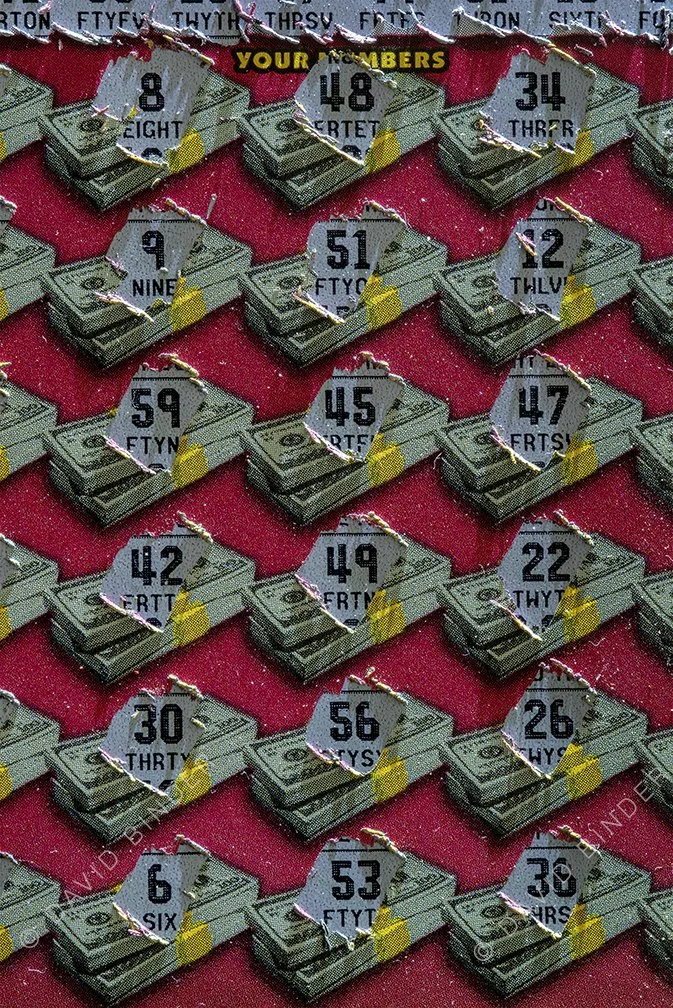
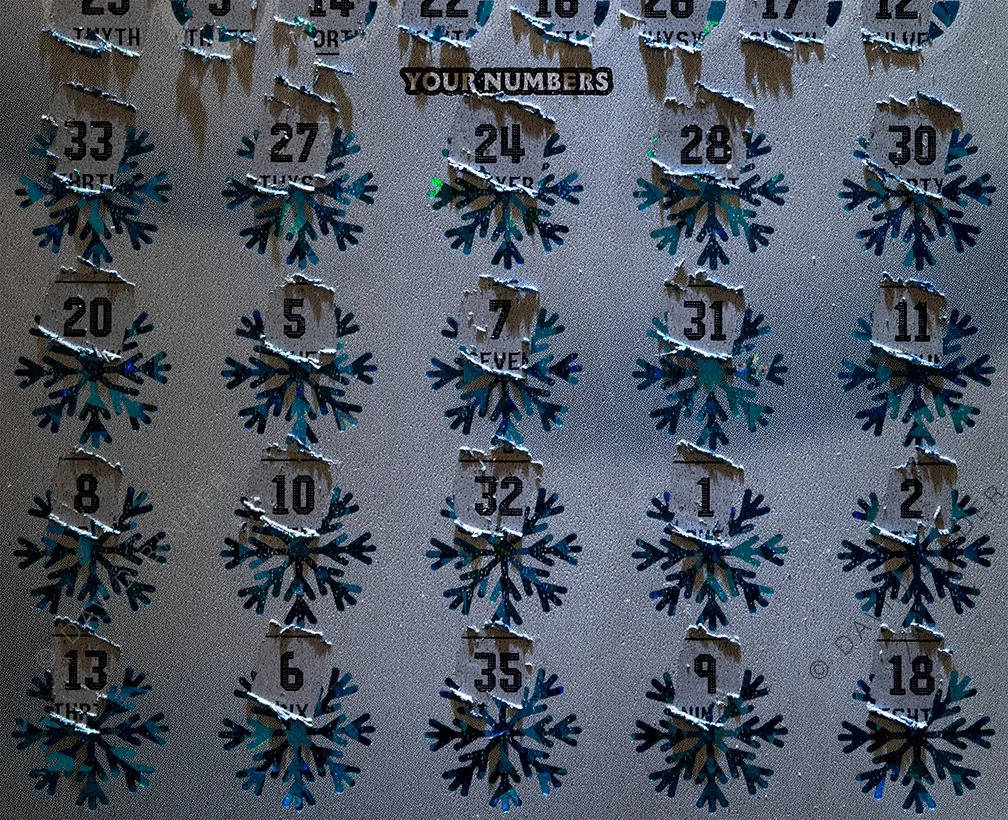
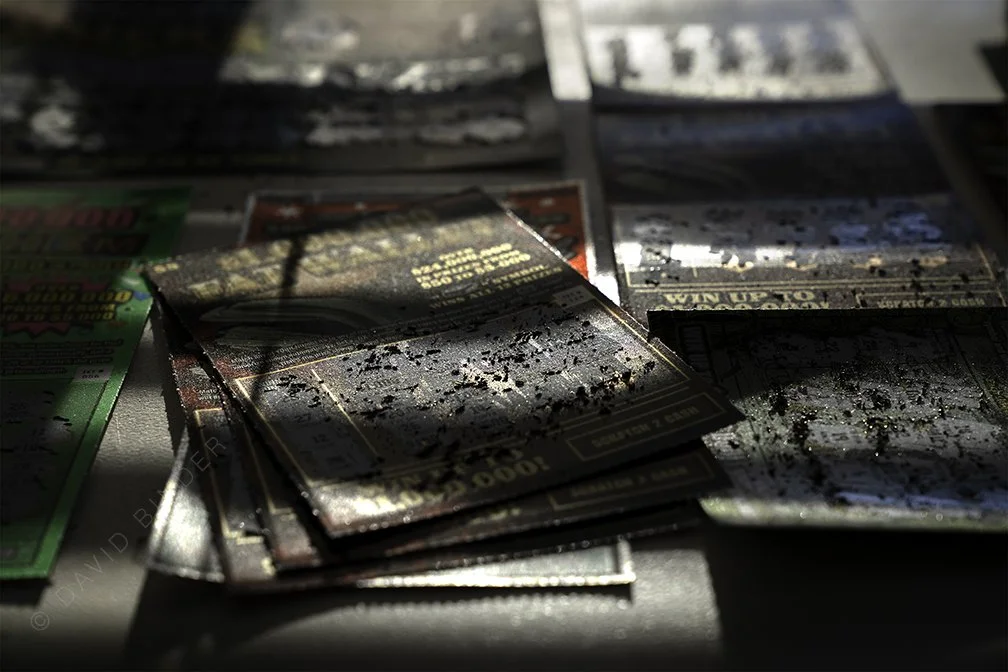
Tariffs, trade wars, consumer confidence and the reality of affordability… the art of scraping by.
Even before today’s economic turbulence and the upward creep of basic expenses, millions of Americans were already living precariously. As Marty Stuart sings, “there’s too much month at the end of the money,” a sentiment that lands heavier now than ever. The gap between the haves and the have-nots widens; side gigs proliferate; anxiety continues its slow, steady rise. Against this backdrop, the dream of hitting a scratch-ticket jackpot becomes a small, fragile lifeline—an imagined escape hatch from the grind.
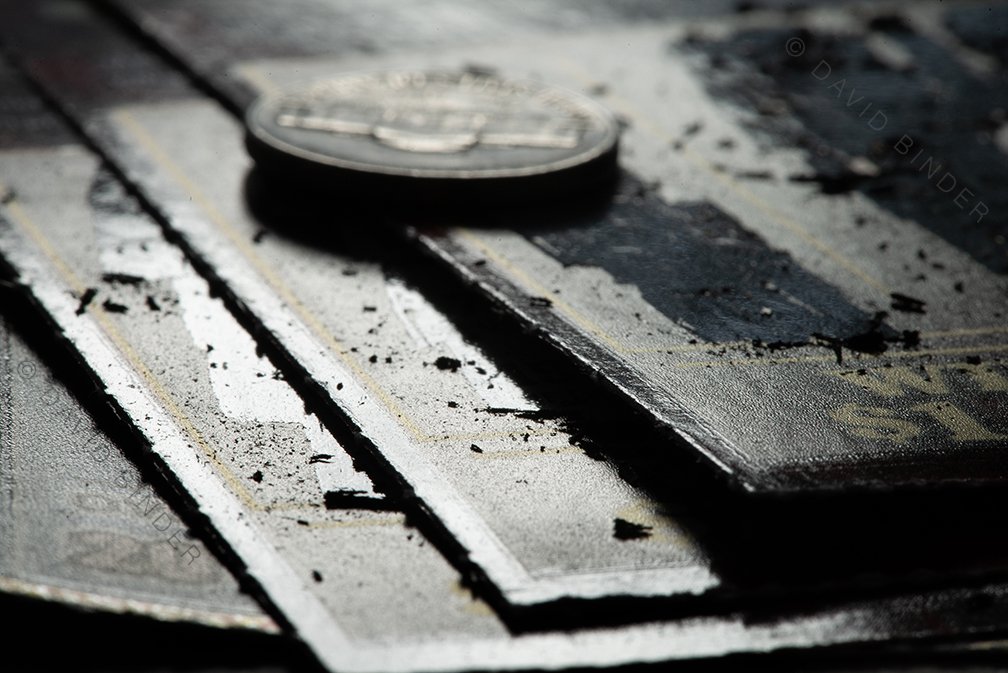
Nowhere is this yearning more visible than in Massachusetts, where residents buy more scratch tickets per capita than any state in the nation. (National data shows Massachusetts spending an astonishing $1,037 per person on lottery tickets—Rhode Island follows at a distant $627.) It’s a testament to a collective, if quixotic, belief that a few dollars and a silver coin might reveal a life-changing reroute.
But this ritual has deep roots in America. As we mark the 250th anniversary of America this year, it’s worth remembering that lotteries are woven into the country’s origin story. The first authorized lottery in Colonial America was held in Boston in 1745. Every one of the original colonies used lotteries to fund public projects, and early federal initiatives even relied on them. One such venture, the National Lottery, intended to beautify Washington, D.C., ultimately reached the Supreme Court in the 1821 case Cohens v. Virginia, a landmark case that affirmed federal supremacy and solidified the Court’s authority over state decisions involving federal issues.
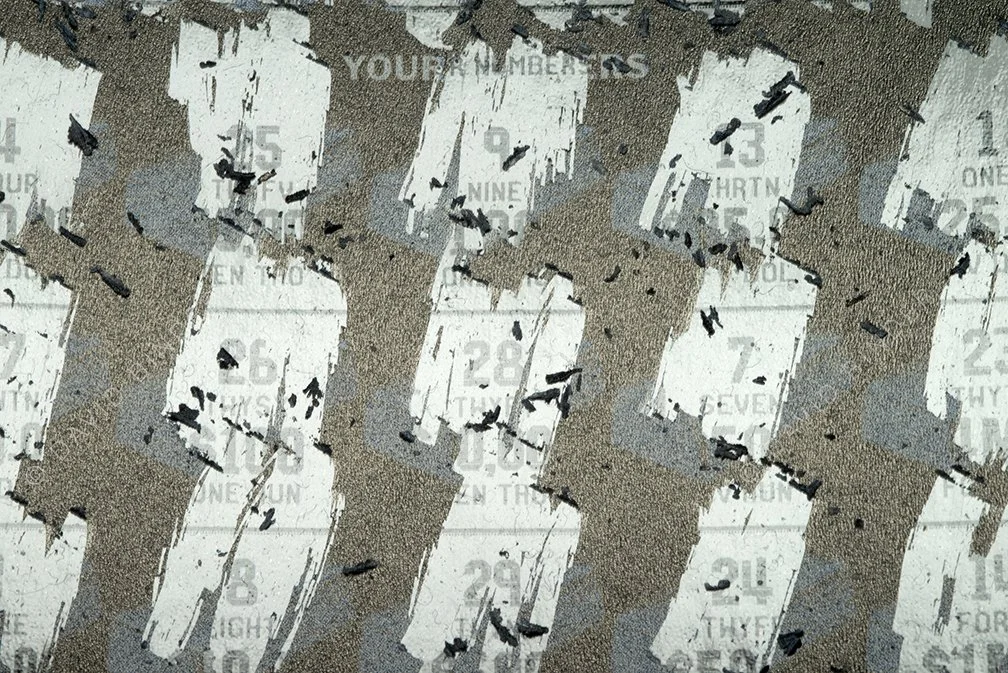
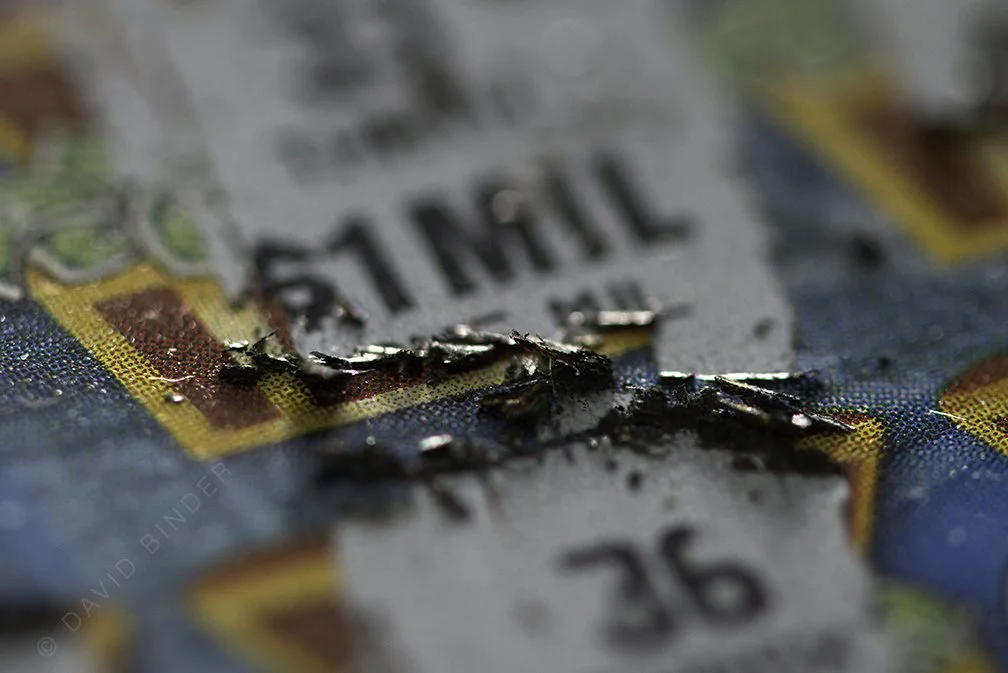
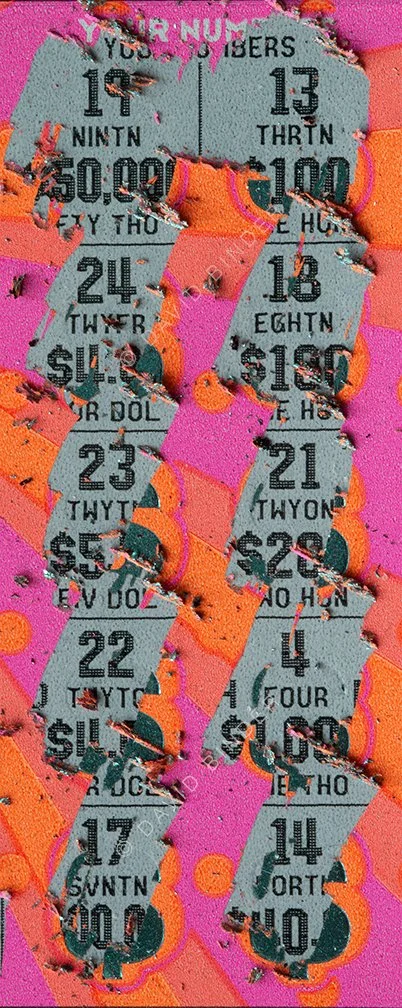
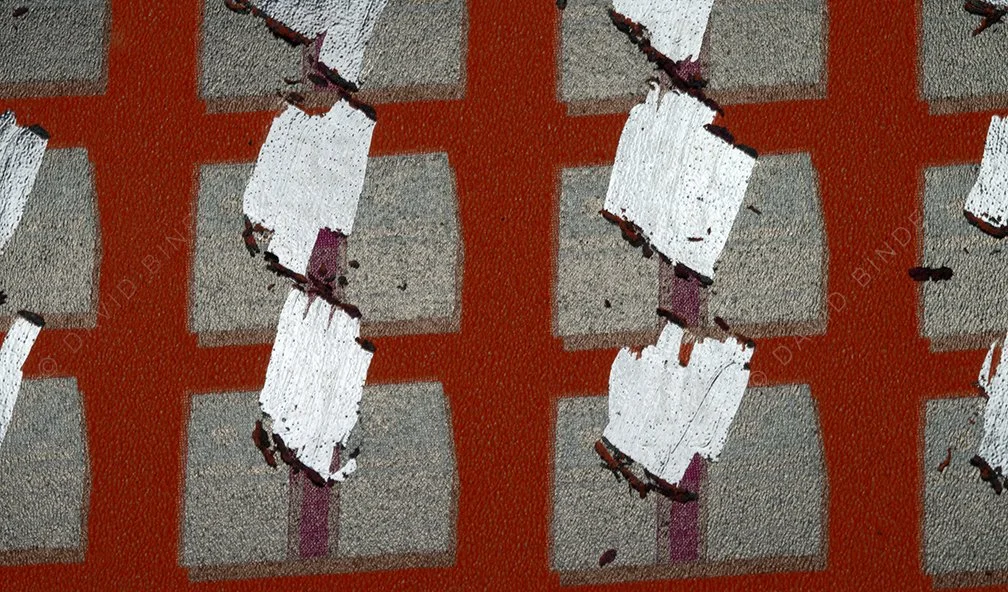
Today, the hopes invested in a scratch ticket are mirrored in the chaotic fragments left behind—the tiny, bright flecks of discarded coating. After the scraping, what remains if there’s no prize? Only debris. And what becomes of the hope? It too scatters, joining the evidence of a ritual as old as the nation itself: Americans chasing possibility, however small, in the act of economically “scraping by.”